
Coarse Salt – grained (Crude – 5 – 15 mm crystals)
Medium Salt – grained ( Medium – 0.5 – 7mm crystals)
Fine Salt – grained (Fine – 0.25 – 2mm crystals)
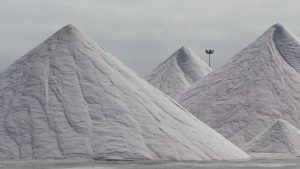
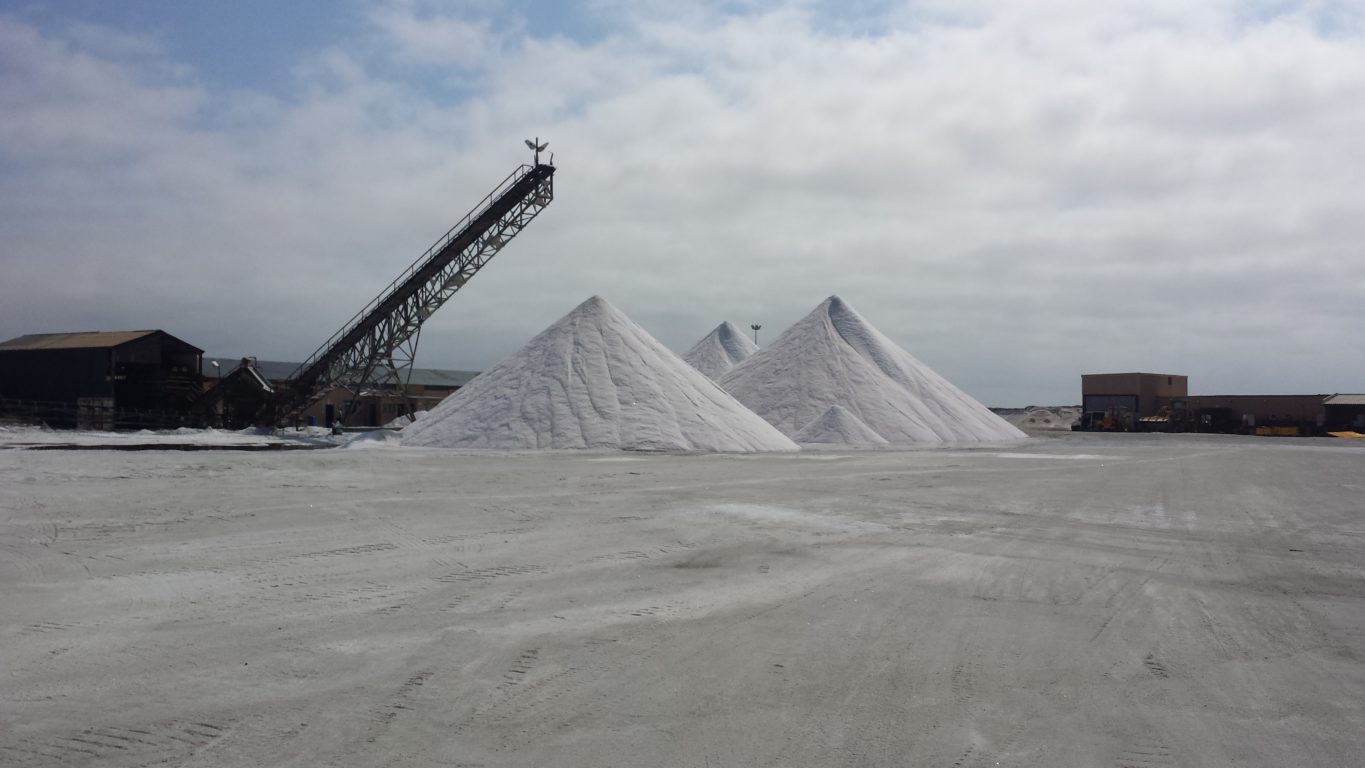











Types of Salt
Packaging
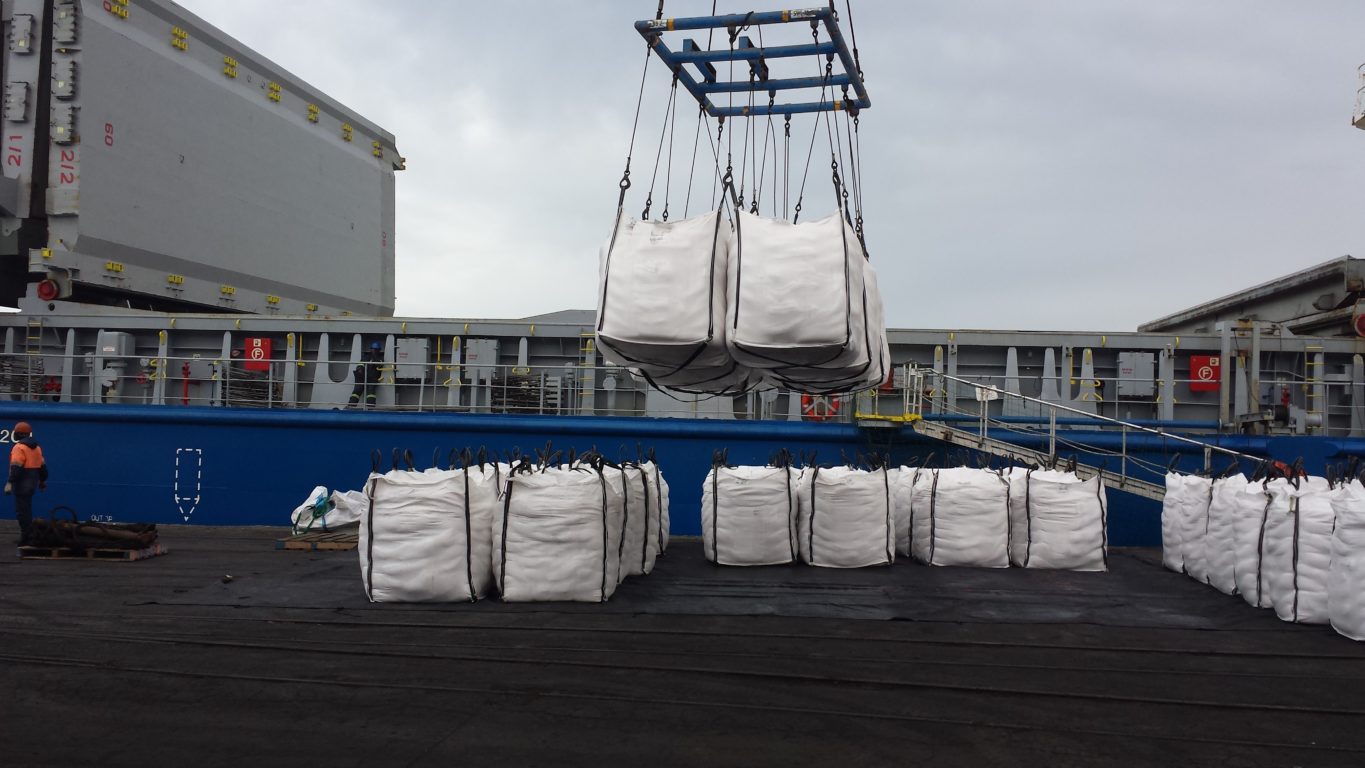
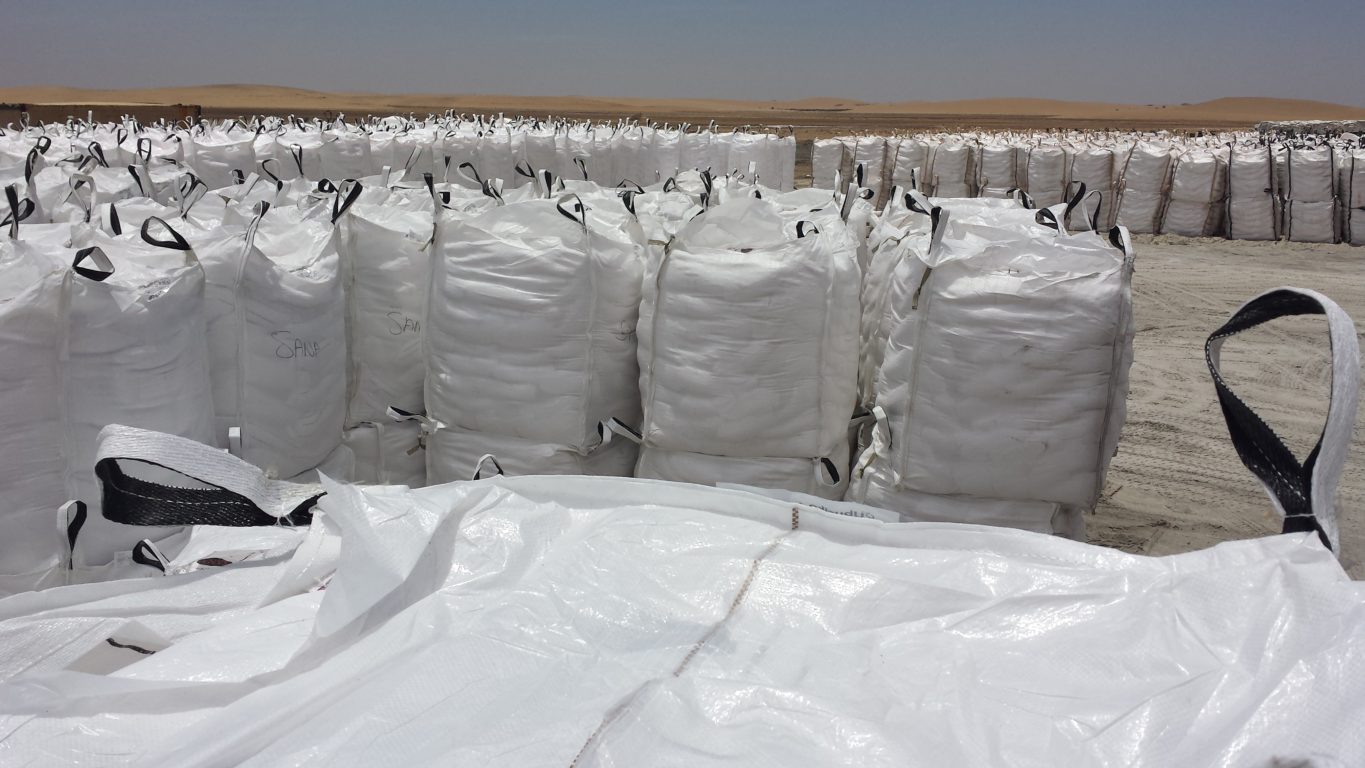
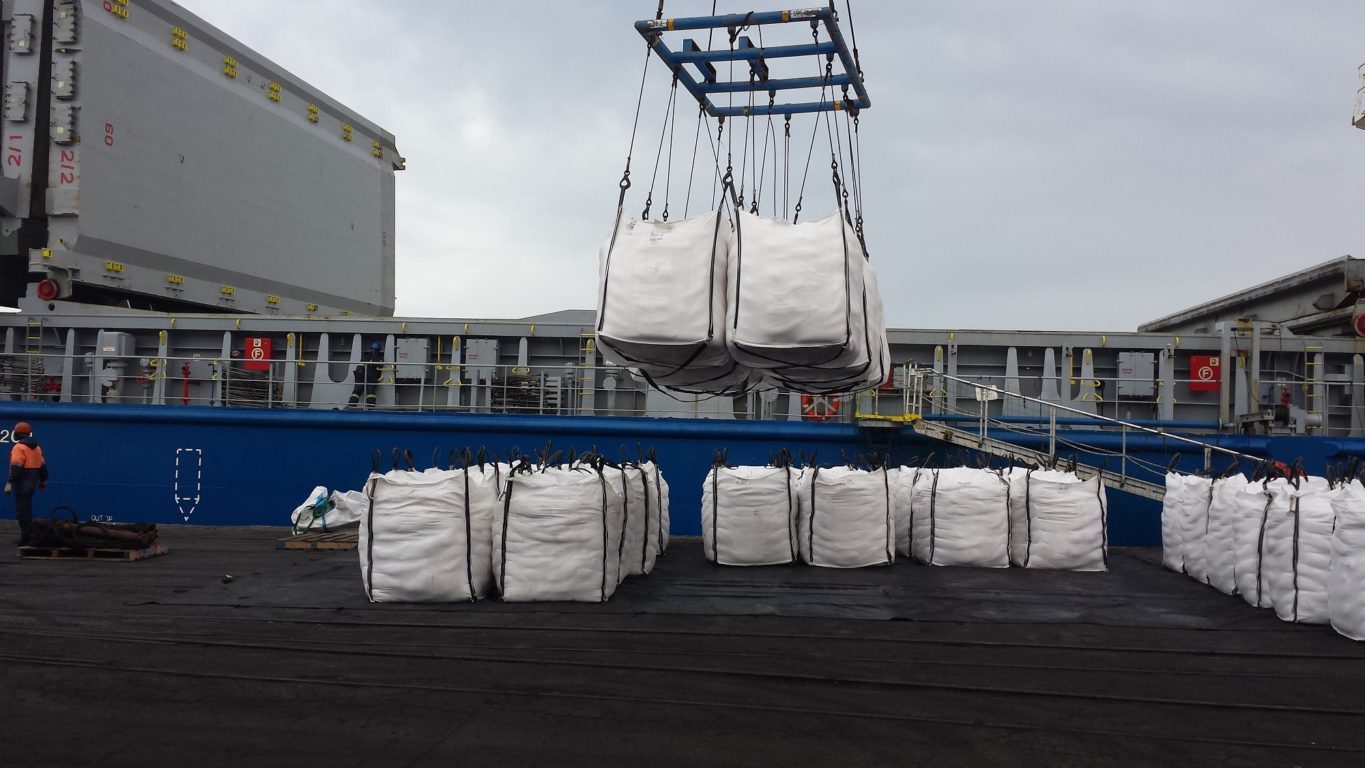
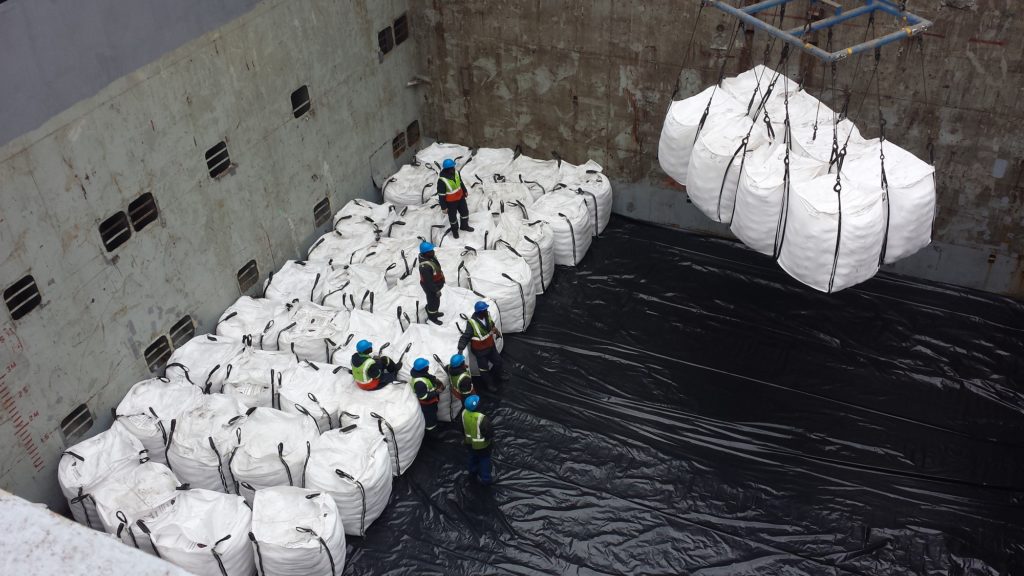
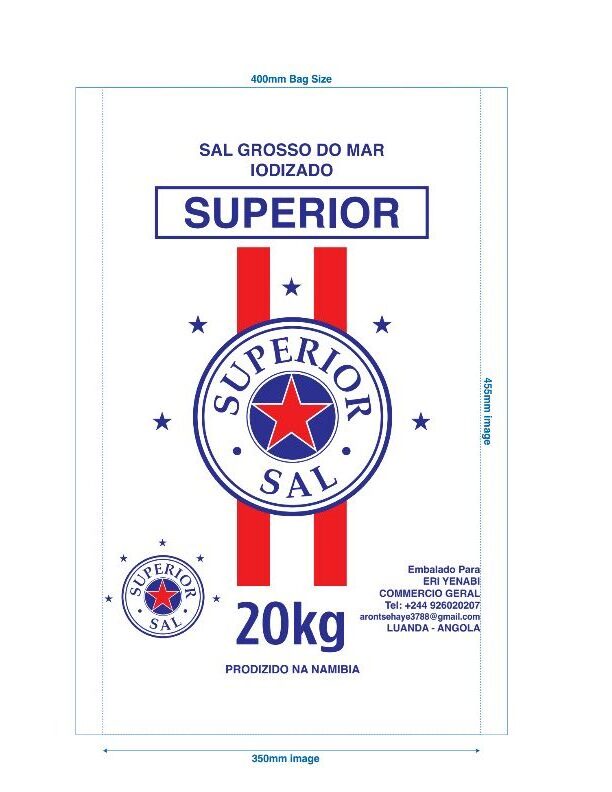
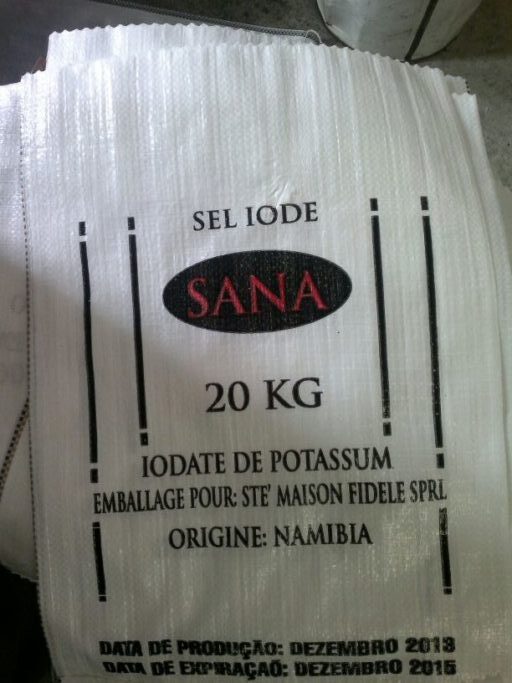
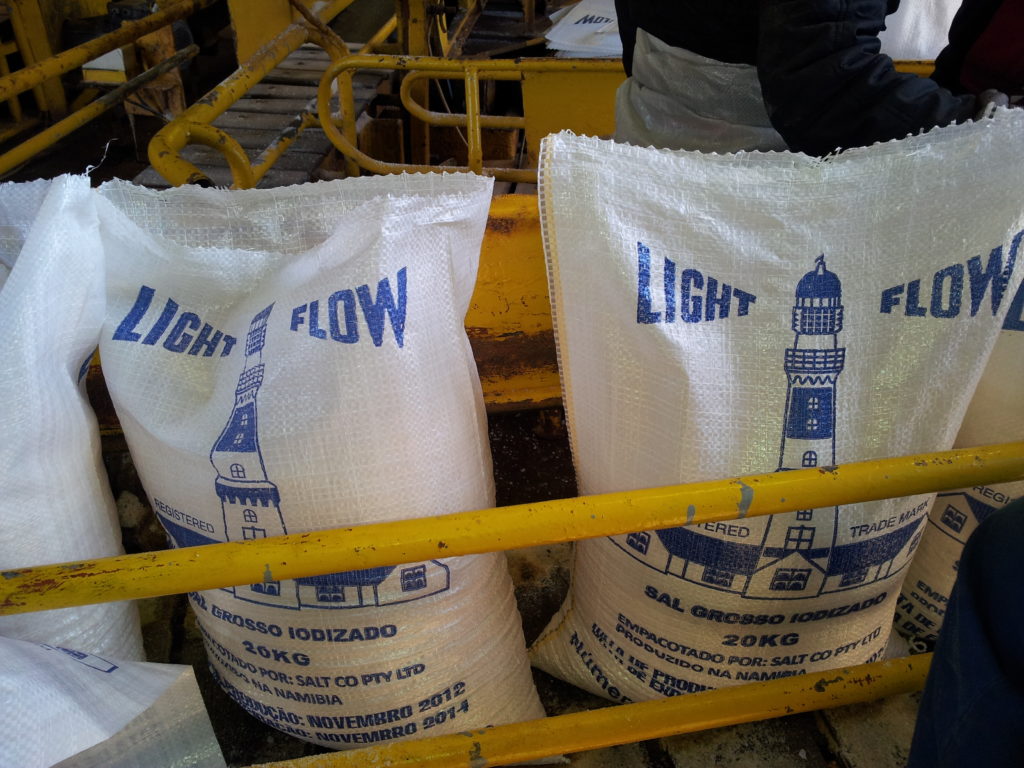
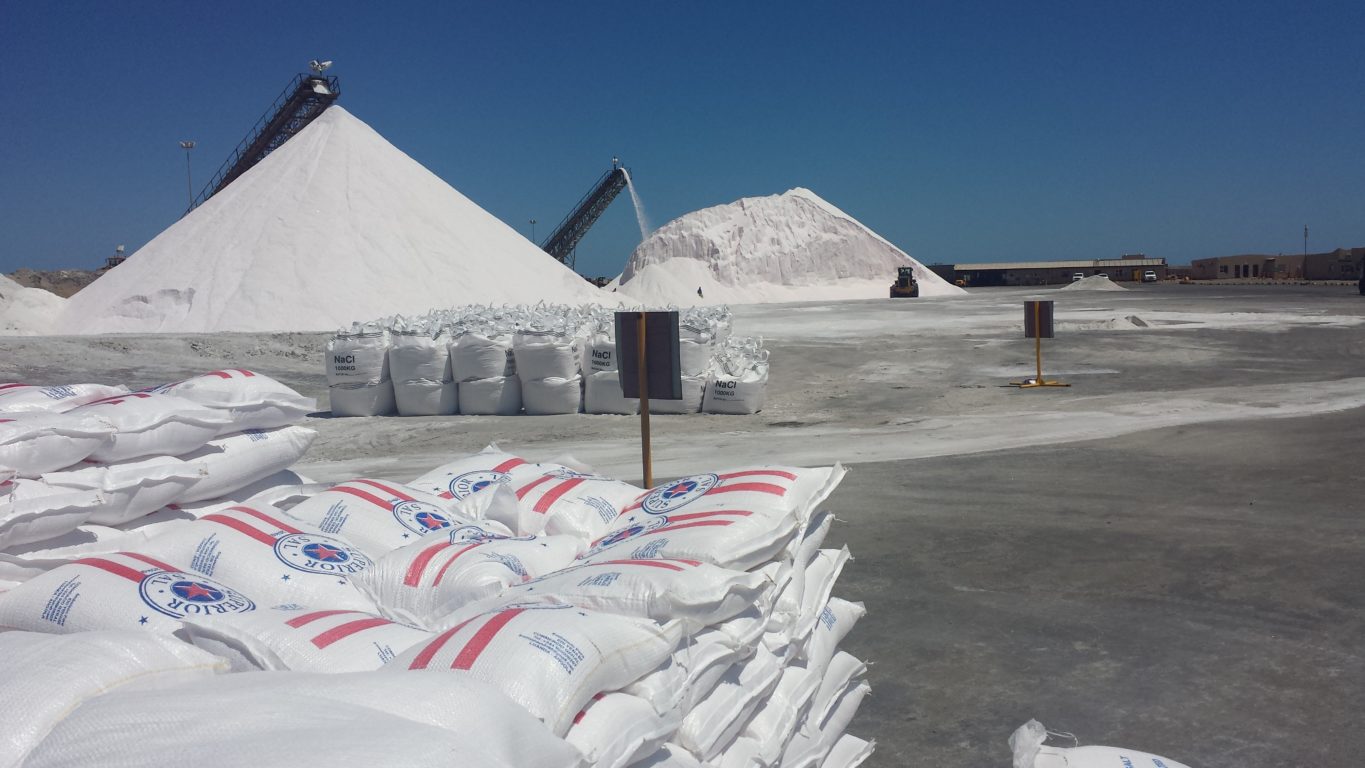
The Salt can be ordered in 20 KG, 50KG or 1 MT PP bags. Our best seller is mainly Medium Coarse Salt packed in 20KG bags
Branding
The PP Bags can be imprinted with your company logo or “Brand”. If you have not got an own brand yet we can assist designing same against a small fee. An initial fee for the production of the printing plate is self explanatory.
Table Salt
Is packed in 500gr and 1 KG plastic packs
Shipping
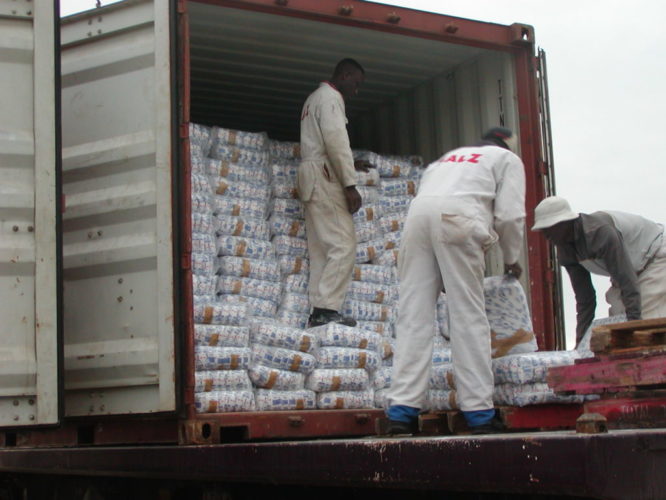
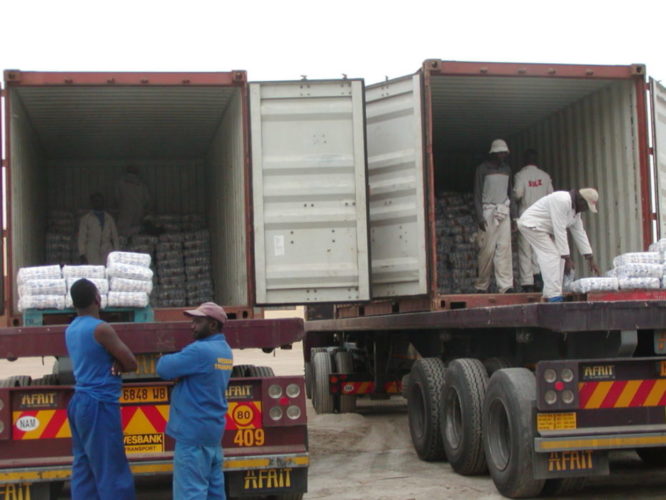
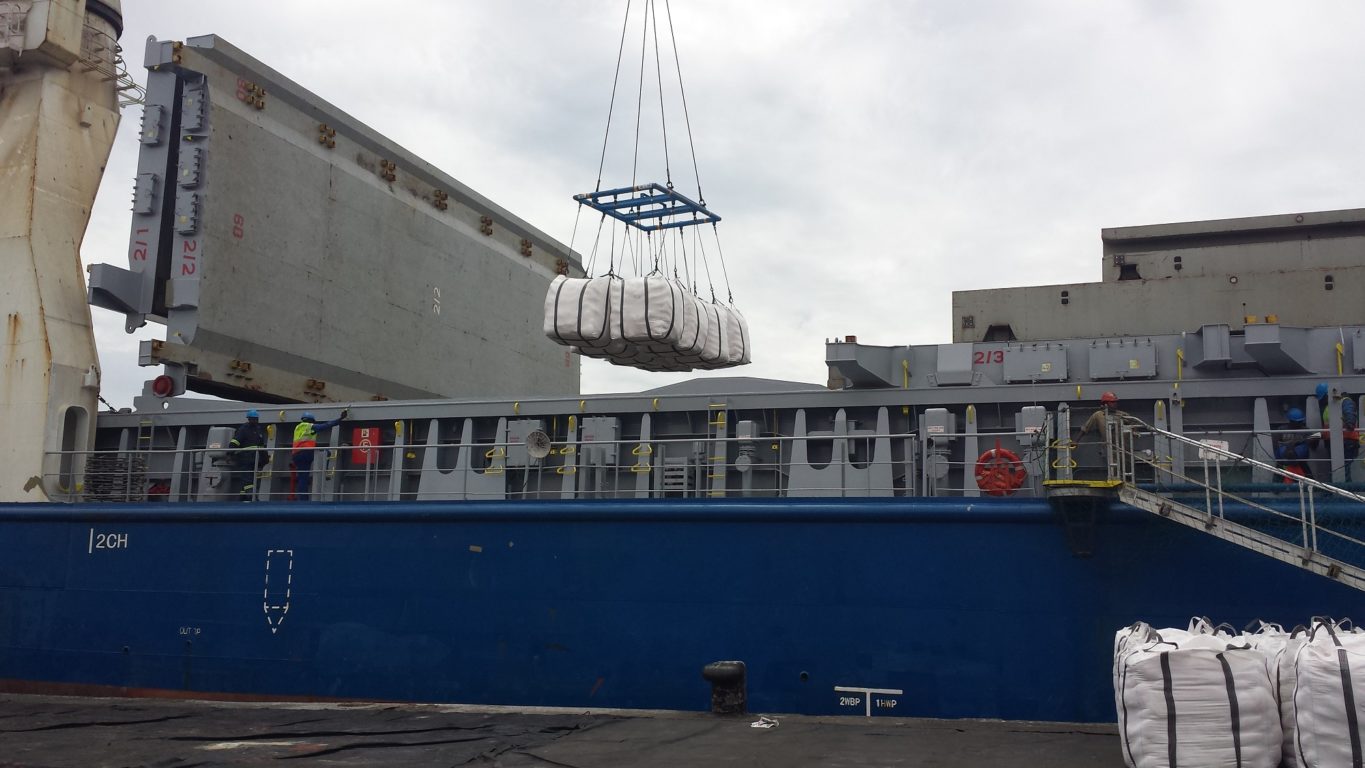
Salt gets shipped containerized or in Break bulk.
The Evaporation / Production Process
1
Evaporation in pans
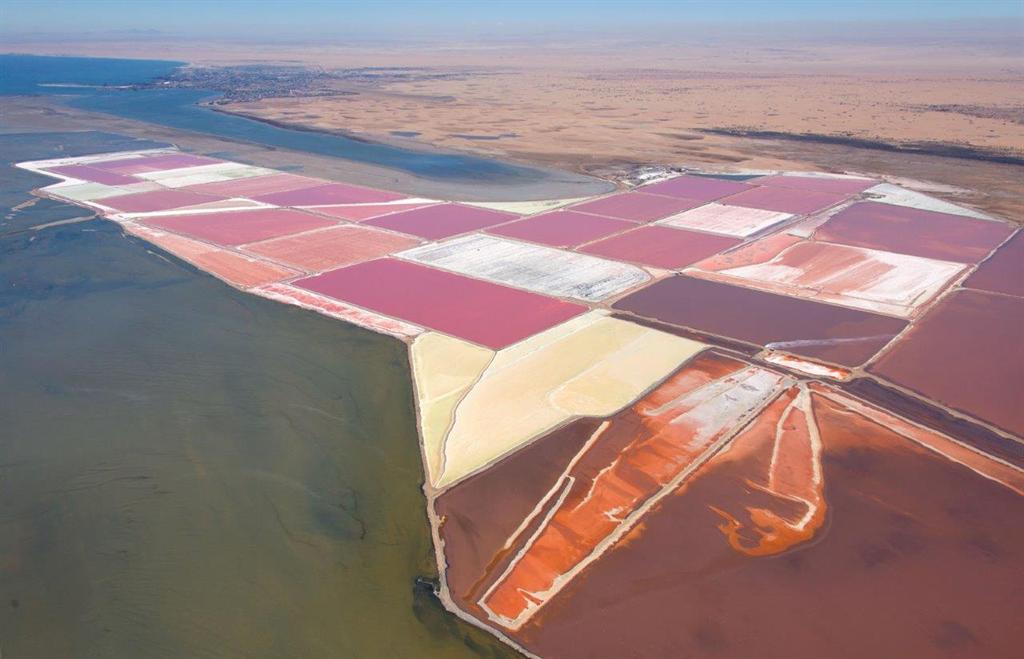
Solar Sea Salt gets produced by means of evaporation in pans. The seawater evaporates in successive ponds until the brine is fully concentrated and salt crystallizes on the floor of the crystallizing ponds.
2
Concentration & coloration
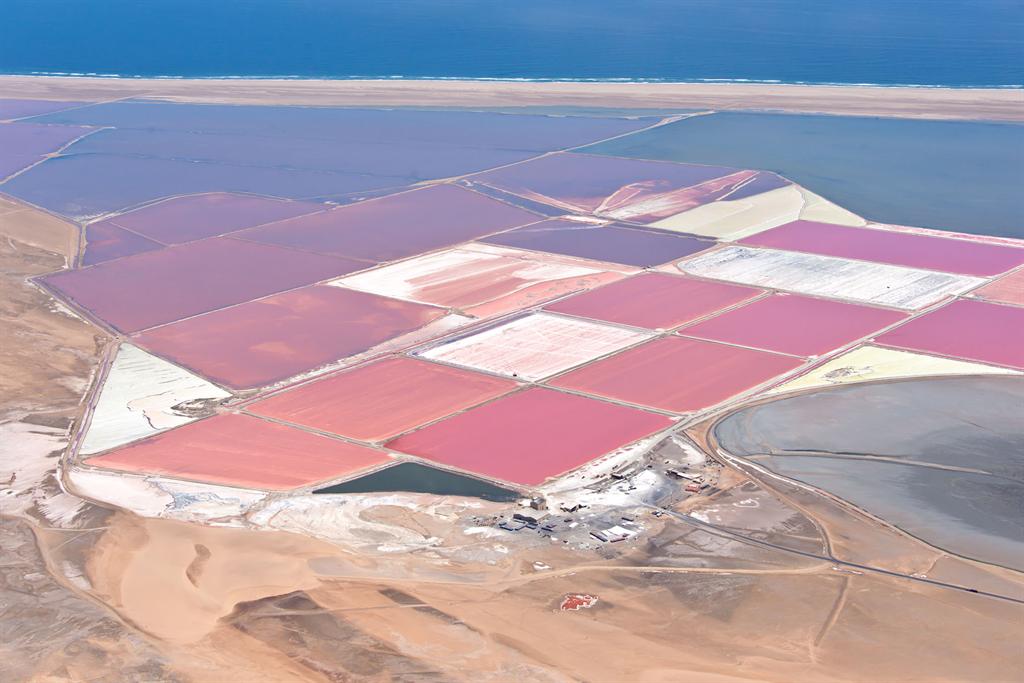
As seawater evaporates, its volume decreases and the concentration of sodium chloride in the resulting brine increases. The concentrating ponds will show distinct coloration, a pink or red, depending on the salt concentration and what species of plant and shrimp find it habitable.
3
Crystallization
Salt crystals begin to form when the brine reaches 28.8% sodium chloride (NaCl). As evaporation proceeds a layer of salt builds up on the earthen crystallizer floors to a thickness of 60 to 80 cm (24-31 inches). A layer of salt remains in the crystallizers as “salt Floors” to provide support for “harvesting” equipment and to lessen the chance of clay and soil contamination of the salt.
4
Harvesting & washing
After the salt “crop” reaches the appropriate thickness, the salt is harvested with mobile equipment, washed, and stockpiled in order to drain. The principal impurities in solar salt refer to small amounts of calcium and magnesium sulphate, and magnesium chloride. Clean brine is used to wash the salt and remove small amounts of impurities such as these.